No Genre, No Problem: 6 American Creatives Who Turned Uncategorizability Into a Career
Every music journalist has been there. You're trying to describe a record to someone, and you run through the usual tags — indie, folk, electronic, R&B, experimental — and none of them quite stick. You end up saying something like "it's kind of like if these three things had a weird kid" and hoping the person you're talking to gets it.
For most artists, that's a marketing nightmare. For a specific and fascinating breed of American creative, it's basically the whole point.
The artists on this list didn't end up genre-less by accident. Some of them tried to fit in early on and found it suffocating. Others came out of backgrounds so genuinely mixed — culturally, musically, geographically — that no single scene could contain what they were doing. All of them eventually found that the refusal to be categorized wasn't a liability. It was the thing that made them.
Here are six American creatives who built entire careers from the uncomfortable, uncategorizable middle ground.
1. The Composer Who Lives Between Classical and Club Culture
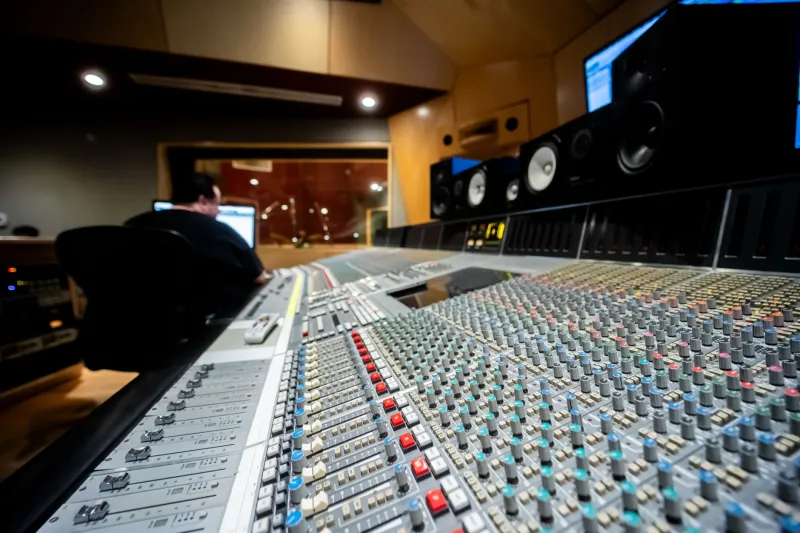
Imagine someone who studied at a serious conservatory, can talk intelligently about twelve-tone technique, and also made a record that got played in underground clubs in Detroit. That's a real type of American artist, and the ones who pull it off tend to develop a following that's almost fanatically loyal — because those listeners feel like they found something nobody else knows about.
The through-line in this kind of work is usually a rigorous structural approach applied to sounds and textures that feel anything but academic. The result is music that rewards both the deep listener who wants to analyze it and the person who just wants to feel something physical and immediate. Pleasing both audiences while belonging fully to neither is genuinely hard to do. When it works, it's some of the most alive music being made in America.
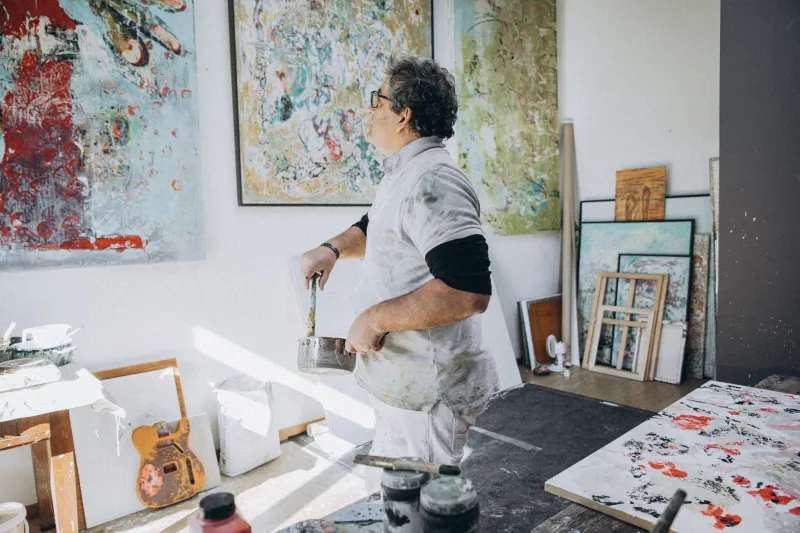
2. The Visual Artist Who Works in Every Medium Except the One You Expect
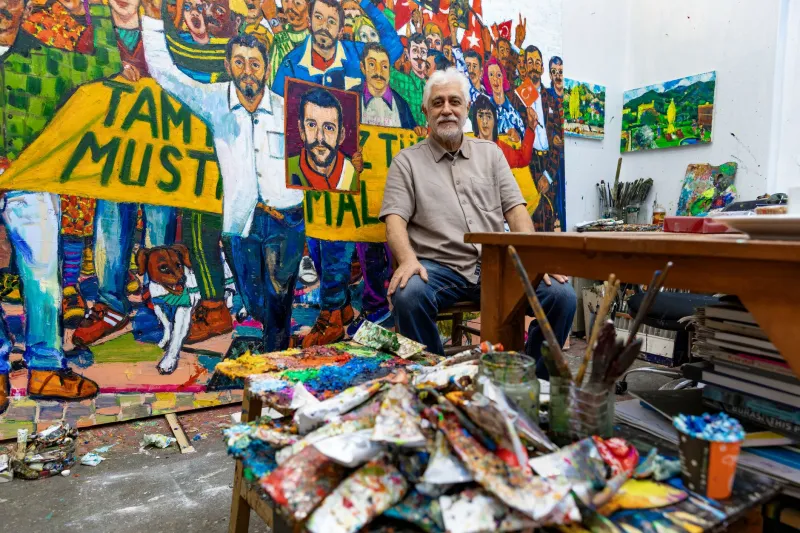
There's a certain kind of visual artist who refuses to be pinned to a medium. They'll show paintings one year, sculpture the next, then a video installation, then a performance piece that blurs into theater. Galleries don't know quite how to handle them. Critics struggle to build a through-line.
But the artists themselves usually have a very clear sense of what they're doing: they're following the idea wherever it needs to go, rather than forcing the idea into whatever form they're known for. This is a harder way to build a career — you're constantly reintroducing yourself — but the work that comes out of it tends to have a coherence that's emotional rather than formal. You recognize it immediately even though it never looks the same twice.
Some of the most compelling American gallery work of the last decade has come from artists operating this way. Their retrospectives are genuinely surprising because no two rooms look like they belong to the same person — and yet somehow, unmistakably, they do.
3. The Musician Whose Spotify Page Is a Beautiful Disaster
You know the type. Their discography looks like a cry for help if you don't know what you're looking at — a country-ish album, then something that sounds like processed noise, then what appears to be a gospel record, then an EP that's basically just field recordings. Spotify's algorithm has given up entirely. The artist page says "fans also like" and then lists six artists who have absolutely nothing in common with each other.
These musicians are often the most interesting people to talk to about craft, because they've had to develop a completely internal compass. Without a scene to check in with, without a genre to measure themselves against, they have to know exactly what they're going for and why. The best of them develop a voice so specific and strange that it becomes immediately recognizable regardless of what genre they're nominally working in on a given record.
They also tend to build audiences who are genuinely devoted in a way that genre artists rarely see. Those listeners didn't find them through an algorithm. They found them because someone told them they had to hear this, and they stayed because nothing else sounds like it.
4. The Filmmaker Who Can't Be Shelved
American independent film has always had a complicated relationship with genre. But there's a specific type of filmmaker who seems to actively resist any attempt at categorization — not out of pretension, but because the stories they want to tell don't fit the shapes that genres provide.
These directors make films that feel like horror movies until they don't. That feel like comedies until something genuinely devastating happens. That look like documentaries but are obviously staged, or look like fiction but feel uncomfortably real. The genre confusion isn't a gimmick. It's a reflection of the way these filmmakers actually experience the world — as something that refuses to stay in its lane.
The cult following that builds around this kind of filmmaker is intensely loyal. Because their audience isn't there for a genre fix. They're there for a specific way of seeing, which is a much deeper and more durable connection.
5. The Performance Artist Who Ate the Scene Whole
Performance art in America has always been a little homeless — too visual for music venues, too alive for galleries, too weird for theater. The artists who thrive in that homelessness tend to develop an almost manic resourcefulness. They make their work wherever they can, for whoever shows up, and they build something out of that instability.
The most interesting of these artists are the ones who pull from everything — dance, spoken word, music, visual installation, comedy — and combine it in ways that feel genuinely new each time. Their work can't be documented properly because the documentation always misses the thing that made it work. Which means you have to show up. Which means their audience develops an almost tribal loyalty.
6. The Producer Who Defined a Sound Nobody Had a Name For
Some of the most influential American music of the last thirty years has come from producers who were working in a space that didn't have a genre name yet. They were pulling from hip-hop, electronic music, soul, and noise in proportions that didn't match any existing category — and the sound they developed became so influential that it eventually became its own thing, named after them or their city or their era.
The interesting part is what happens to those producers after the genre gets named. Some of them lean into it and become the establishment. The ones who stay interesting are the ones who immediately move on to something that doesn't have a name yet. Staying uncategorizable is a practice, not a state.
The Uncomfortable Middle Is Where It's At
The thread connecting all of these artists isn't a sound or a style or even a philosophy, exactly. It's a willingness to sit in the discomfort of not knowing what to call what they're making — and to trust that the work will find its people anyway.
American culture loves a category. It loves a lane. It loves being able to tell you where to file something. The artists who refuse that service are doing something genuinely difficult and genuinely necessary. They're proving, over and over, that the most enduring creative work in this country tends to come from the places nobody thought to look.