Show the Mess: Why American Creatives Are Done Hiding the Ugly Middle
There's a version of the creative story we've been told forever. Artist disappears into their practice, emerges weeks or months or years later holding something finished and brilliant, the crowd goes wild. The struggle was private. The product was public. That was the deal.
That deal is falling apart, and honestly? Good riddance.
Across the US right now — in recording studios in Nashville, in Brooklyn loft spaces, in graphic design shops in Portland and Phoenix and everywhere in between — a growing number of creatives are deliberately letting people in before the thing is ready. Before it's even close to ready. They're posting voice memos that go nowhere. They're sharing sketchbooks full of ideas that got killed. They're putting raw session footage on the internet where the producer sounds frustrated and the take falls apart halfway through. They're documenting the failed canvases before they prime them over.
And the response has been, to put it mildly, overwhelming.
The Finished Product Used to Be the Point
For a long time, the mystique around creative work was a feature, not a bug. You didn't show the sausage being made. Part of what made a great album or a stunning painting feel powerful was that it seemed to arrive fully formed, like it had always existed and the artist had simply found it. Revealing the grinding, unglamorous reality of how creative work actually gets built felt like it would break the spell.
Social media complicated that. Platforms that rewarded constant content pushed artists to share more, but for a while the instinct was still to curate — to show the studio but make it look cool, to post a work-in-progress but only once it was interesting enough. The mess got cleaned up before anyone saw it.
What's shifted more recently is the appetite for the actual mess. Not the aestheticized version of process. The real one.
Why the Struggle Is Landing Differently Now
There's something specific happening culturally that makes this moment ripe for process transparency. Audiences — especially younger American audiences who grew up watching behind-the-scenes content and parasocial creator relationships bloom on YouTube and TikTok — have developed a finely tuned radar for performance. They can smell a curated "rawness" from a mile away. The carefully disheveled studio. The "candid" moment that was clearly staged.
Actual rawness reads completely differently. When a musician posts a voice memo where they're clearly just talking to themselves, working through a chord problem out loud, that's not content. That's a window. And people are pressing their faces against it.
There's also something about the cultural moment — post-pandemic, post-hustle-culture backlash, mid-algorithmic-exhaustion — that has made audiences deeply sympathetic to the reality of creative difficulty. The idea that making something good is hard, that it involves dead ends and bad days and versions that get scrapped, isn't discouraging to people right now. It's validating. It's human. It makes the finished work feel earned in a way that a polished reveal never quite could.
What Radical Process Transparency Actually Looks Like
It shows up in a lot of different forms depending on the discipline.
On the music side, it might be an artist posting the session reel from the day a song wasn't working, or sharing the seventeen different versions of a chorus before they landed on the one that made the album. Some musicians are going further — releasing rough demo collections alongside finished records, letting listeners hear the distance traveled between first instinct and final vision.
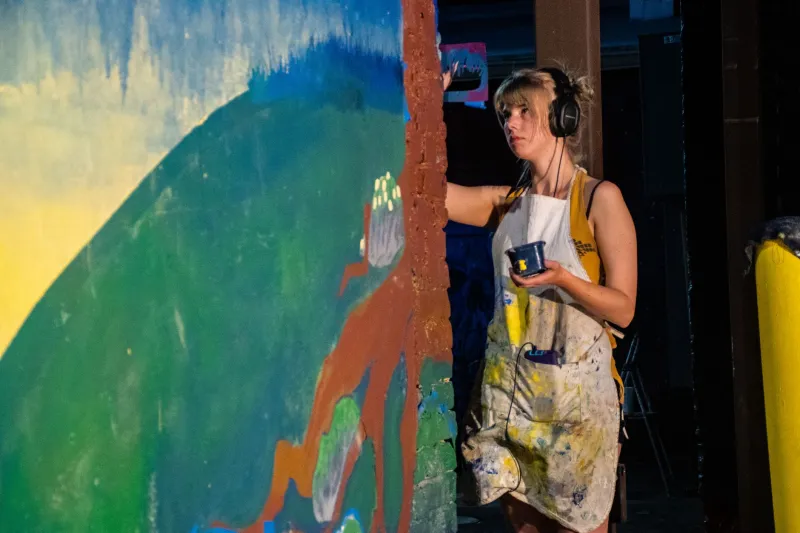
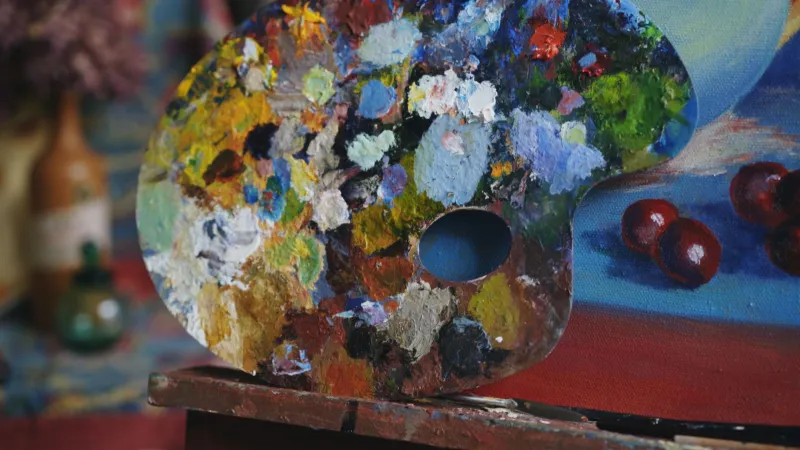
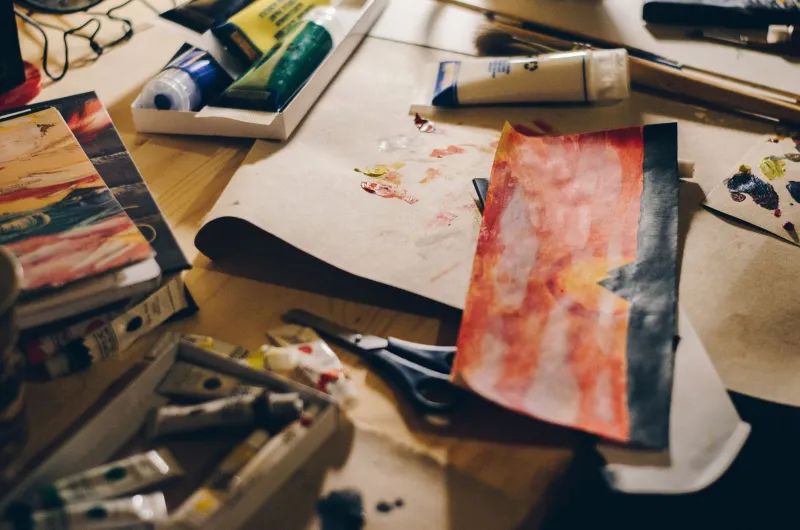
Visual artists are doing something similar with documentation. Painters photographing canvases at every stage, including the stages that look genuinely bad. Illustrators posting the first sketch, which often looks nothing like the finished piece and is sometimes almost unrecognizable. The point isn't to make the struggle look romantic. The point is to show that it happened.
Writers and designers are in the mix too. Abandoned drafts shared with annotations about why they didn't work. Design iterations posted in sequence so you can watch an idea get refined or completely thrown out. The deleted scenes, essentially, but for every kind of creative work.
The Trust It Builds
Here's what's interesting about the effect this has on audiences: it doesn't diminish the finished work. If anything, it deepens it.
When you've watched someone wrestle with something, when you've seen the version that didn't work and the version after that and the version where they almost gave up, you arrive at the finished piece with a completely different relationship to it. You're not just receiving it. You're completing a story you've been following. The final product carries the weight of everything you know it took to get there.
That's a fundamentally different experience than encountering a finished piece cold. And it creates a kind of loyalty — not the parasocial, parasocial-gone-wrong kind, but something more like genuine investment. Audiences who've followed a creative process feel like collaborators in some small way. They were there. They remember the bad version. They get to feel the distance between that and what the thing became.
The Risk Is Real, and That's the Point
None of this is without cost. Sharing the ugly middle requires accepting that some people will see the ugly middle and leave. Not every abandoned draft looks like a charming detour in retrospect — some of them just look like failure. There's a real vulnerability in letting people watch you not know what you're doing yet.
But that vulnerability might be exactly the thing that makes it work. An audience that has watched you fail, or struggle, or make something genuinely bad, and stuck around anyway — that's not a passive consumer. That's someone who's chosen you. That's a different kind of connection than the one you build by only ever showing up polished.
The artists leaning into this aren't doing it because they've figured out some new content strategy. The best of them are doing it because it's honest, and because the alternative — the endless performance of effortless mastery — got exhausting a long time ago.
The mess was always there. Turns out people just needed permission to see it.